
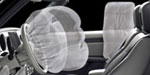
Why Are Airbags Important In Cars?
Besides preventing serious injuries, they have saved countless lives. But when you buy a car with air bags, are you sure exactly what you’re getting? Let the BuyingAdvice team show you the differences in air bags, so you know how to keep you and yours safe.
There are two general types of air bags: Frontal and side-impact. Frontal air bags are designed to keep the driver and front passenger from hitting the interior of the vehicle. Side-impact air bags are designed to protect your head and/or chest from impact, and unlike frontal bags, can even offer protection in the case of a rollover.
Standard/Depowered Air Bags
This is the standard air bag. In 1997, the National Highway Traffic Safety Administration allowed automakers to reduce the power of air bags. These “depowered” air bags reduced the chance of injury or death from air bag deployment, and are more or less standard in any car made from 1997 up until the advent of…Advanced Frontal Air Bags
Advanced frontal air bags use sensors to dynamically adjust the bag’s deployment and force. For instance, the passenger-side air bag won’t deploy if there’s no one in the seat, or it will inflate with less power if a lighter passenger is in the seat. The government began a phase-in program in 2003, making all manufacturers install advanced frontal air bags in 20 percent of their models. Every vehicle produced after September 1, 2006 features these.
Side-impact air bags are not required by the government, but most manufacturers have voluntarily installed them in their vehicles. They are designed to either protect the head, the chest, or both.
Chest/Torso
Chest, or torso side-impact air bags are designed to protect an adult’s chest in the case of a side collision. They are installed either in the seats or in the doors of the vehicle.Head
Head side-impact air bags are installed in the roof rail, above the windows. There are two different varieties: Tubular and curtain. Curtain air bags are superior, as they protect both front and rear passengers. Not only that, but they can also prevent ejection in the case of a rollover.Combination
Combination side-impact air bags protect both the head and torso of an adult. These are, of course, the most effective.
What To Buy
The ideal air bag configuration would be advanced frontal bags, accompanied by tubular combination side impact bags. These are features that should be pretty easy to get in a new car, but if your options are limited, remember the following:
When it comes to air bags, bigger is better.
If you can, buy a car with advanced frontal air bags, or at the very least, one with depowered bags.
Air bags can save lives but they have their limits. Check out the Insurance Institute for Highway Safety’s site, which contains detailed crash test information for most models.
Copyright 2026 BuyingAdvice.com, INC. All rights reserved. This material may not be published, rewritten, or redistributed.


