

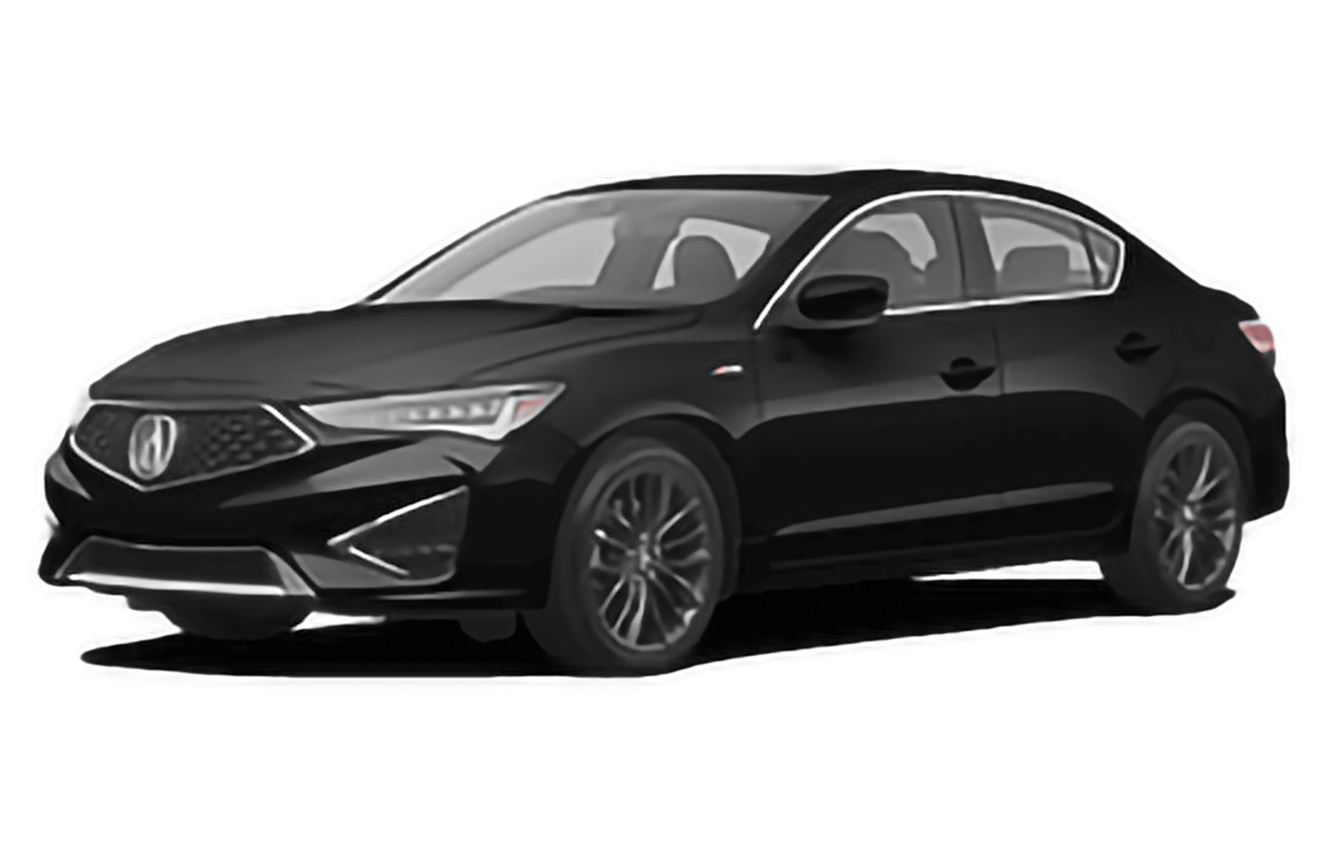

2007 Dodge Charger Review
The Dodge Charger once stood proudly as part of the pantheon of mighty muscle cars. But when muscle cars lost the favor of the American driving public, the Charger was shelved for an automotive eternity. Now, a recent muscle car resurgence has resulted in the Charger's resurrection. The current Dodge Charger was released for 2006 as a four-door sedan. Despite its muscle car heritage, the Charger was designed more as a replacement for the outgoing Dodge Intrepid than as a competitor to the recently redesigned Ford Mustang. Regardless, it has earned several awards, including Kiplinger's "Best New Car" and "First in Safety" for 2006, as well as being named Spike TV's "Muscle Car of the Year" and AAA's "Car of the Year" for vehicles between $20,000 and $25,000.
The BuyingAdvice Team Says:
Our doubts about the Dodge Charger stem mainly from the heritage it carries. When you adopt the name of one of the great muscle cars of all time, you create certain expectations and therein lies the problem. Viewed solely as a muscle car, the glaring problem is the lack of an available manual transmission and the Charger's average handling. However, the Charger replaces the Intrepid in the Dodge line-up and seen as a family sedan it offers a spacious interior and good safety scores. So if you want a family sedan with some style and attitude, take a look at the Charger. If you want a pure muscle car you should probably look elsewhere.
What's New For 2007:
$24,835
no
5
18/26
2.7L V6
178@5500RPM
190@4000RPM
4 Speed Automatic
FR/RWD
18
gasoline
36/36000
0/Unlimite
60/100000
What is the Predicted Reliability:
The Dodge Charger is still very new, so there is little long-term reliability information available. However, it only earned two and a half out of five stars in initial reliability from J.D. Power and Associates. Drivers, however, have had few complaints. The 2006 Charger was recalled twice: Once for a potential brake fluid leak and again for a flaw that could prevent the Charger's transmission from being placed into "Park." Expect average to below average reliability out of the Charger. Chrysler's basic warranty lasts for three years or 36,000 miles.
Analysis Of Safety Ratings And Features:
The Charger earned five out of five stars in government crash tests, and four and a half out of five stars in side impact tests performed by the National Highway Traffic Safety Administration. The Insurance Institute for Highway Safety's findings weren't quite as good; in its crash tests, the Charger earned the highest "Good" rating for front crashes, with only a "Moderate" rating for side impacts, with optional side airbags equipped. However, it did receive a "Good" rating for rear impacts. All Chargers, except for the SE, come standard with traction control, stability control, and anti-lock brakes. The R/T comes standard with a tire pressure monitor. Side curtain airbags are optional.
Pros and Cons:
Pros
+ Rear wheel drive
+ Cool retro styling
+ Roomy
Cons
- No manual transmission option
- Unknown reliability
- Mediocre performance for the money
Head-To-Head Competition:
Muscle cars have quickly grown into a niche market, with manufacturers eager to revive or refresh models from the '60s. The Charger competes squarely with the redesigned Ford Mustang, the recently revived Chevrolet Impala, and the ever-present Pontiac Grand Prix. They each fall in at about $20,000, except for the Mustang, which starts at around $18,000. All come standard with V6 engines, with the Mustang's being the largest at 4.0 liters, and the Charger having the smallest, at 2.7 liters. All start with around 200 horsepower. The Charger has the least, 190, while the Mustang reigns supreme with 210. But any professional driver will tell you that its torque, not horsepower, that wins races. Once again, the Charger is at the bottom, with 190 pounds of torque at 4000 RPM, and the Mustang wins out with 240 pounds at 3500 RPM. Of course, if you upgrade to the Charger SRT8, you'll get a much more powerful 6.1 liter SRT V8 engine with 425 horsepower and 420 lb.-feet of torque. Out of the lot, only the Mustang and Charger come in rear-wheel drive, but the Mustang is the only one that comes standard with a manual transmission. The Charger and Mustang are pretty much equal in terms of fuel efficiency. All in all, if you want power, the Mustang is the car to get.
What Others Are Saying:
"The best thing about the Charger is that it's the cheapest way to get the 340-hp Hemi in anything but a pickup. Other than that, I'm a little underwhelmed. Its interior is nearly indistinguishable from the inside of a Magnum or 300. And despite corporate officials promoting its "coupe-like" styling, this supposedly sporty Dodge is a massively huge and heavy sedan-longer and wider than either the 300 or Magnum. There's no manual transmission in sight, and any handling improvement netted by adding the optional suspension and tires doesn't justify the significant ride degradation." - Car and Driver
"Slamming up the hills, the five-speed manual Mustang betters the Charger's 500-plus extra pounds and five-speed automatic. In second gear, the Mustang feels like it's pulling as strongly as when it's on level ground; the Charger struggles and chews for a lower gear. It's nothing you'd notice unless you enjoy rushing up steep grades at extra-legal speeds. Otherwise, the Dodge is an easier car for San Francisco. It has heft and power, and yet it's trim enough to feel at home here." - Motor Trend
"The Charger steers and handles corners about as you expect from a two-ton American sedan tuned toward sportiness. It responds almost crisply to driver commands for a car its size, can be a pleasant back-road mount but is no threat to BMW." - USA Today
Read more about the 2007 Dodge Charger at the Dodge manufacturer web site.
Published on Sunday, February 25, 2007 - Email to a friend
Copyright 2006 BuyingAdvice.com, INC. All rights reserved. This material may not be published, rewritten, or redistributed.
Find New Cars
SEARCH BY MANUFACTURER


