
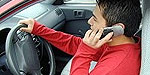
Driving, Cell Phones and Safety: the Debate Rages
Over the last two decades, the number of cell phones users in the United States has risen from under five million to over 254 million and many will chat while driving. As cell phone usage has become more widespread, there has been an increasingly vocal debate on the safety implications of drivers using cell phones while behind the wheel.
The most obvious dangers are that drivers have to take their eyes off the road while dialing and may become so absorbed in conversation that they are paying less attention to the road.
A new and exclusive BuyingAdvice.com survey reveals that only 12 percent of drivers said that they did not use their cell phone while driving.
A study from researchers at the University of Utah concluded that talking on a cell phone while driving is as dangerous as driving drunk. In Perth, Australia, a study conducted by the Insurance Institute for Highway Safety found motorists who use cell phones while driving are four times as likely to get into crashes serious enough to injure themselves.
The first legal move to counteract the dangers of driving while talking on the cell phone was a law passed in New York in 2001, banning hand-held cell-phone use while driving. As of March 2008, four states — Connecticut, New Jersey, New York and Utah — plus the District of Columbia had such laws on the books. Similar laws in California and Washington State go into effect in July 2008. About 17 states have passed laws banning or restricting drivers from using cell phones. The most recent state to enact such legislation is California.
However, 49.6 percent, almost half of drivers who responded to the BuyingAdvice.com poll said they used hand-held cell phones, while 38 percent said they used hands-free equipment. 37 percent said they use their cell phones for less than one hour a week while driving.
The respondents to the poll also showed little interest in buying cars with hands free technology embedded in the vehicle. Forty-six percent of those polled said that having the equipment installed in their car was ‘not important’, while only 22 percent deemed it ‘very important.’
The 1,967 participants in the poll were drawn from among the over 50,000 new car buyers who request competitive online price quotes from BuyingAdvice.com each month. All respondents stated they were within 30 days of purchasing a new vehicle.
A January 2007 study by Nationwide Mutual Insurance Co. found that 73 percent talk on cell phones while driving and that cell phone use was highest among young drivers. They also found that almost 80 percent of those polled were multitasking behind the wheel, a category which included those changing clothes, balancing a checkbook, shaving as well as talking on the cell phone. They were dubbed “Driving While Distracted.”
“We are a nation of people with too much to do and too little time. In fact, more than 80 percent of drivers identified themselves as multitaskers,” said Bill Windsor, Associate Vice President of Safety at Nationwide. “However, driving requires significant attention. Multitasking while behind the wheel poses a threat to you and your fellow drivers.”
However, the theory that hands-free sets are safer has been challenged by the findings of several studies.
The University of Utah study found little difference in the likelihood of an accident, whether the user was talking on a hand-held or a hands-free model cell phone. An earlier study by researchers at the university found that even motorists who talked on hands-free cell phones were 18 percent slower in braking and took 17 percent longer to regain the speed they lost when they braked than regular motorists.
A Virginia Tech study released in April 2006 found that almost 80 percent of crashes and 65 percent of near-crashes involved some form of driver inattention within three seconds of the event. However, cell-phone use is far less likely to be the cause of a crash or near-miss than other distractions, according to the study. For example, reaching for a moving object such as a falling cup increased the risk of a crash or near-crash by nine times, while talking or listening on a hand-held cell phone only increased the risk by 1.3 times.
These findings confirm an August 2003 report from the AAA Foundation for Traffic Safety that concluded that drivers are far less distracted by their cell phones than by other common activities, such as reaching for items on the seat or glove compartment or talking to passengers.99
But companies are increasingly prohibiting workers from using cell phones while driving. Exxon Mobil and Shell ban employees’ use of any type of cell phone while driving during work hours.
In December 2007, International Paper Co. agreed to pay a $5.2 million dollar settlement to a Georgia woman who was rear-ended by one of its employees. The employee was driving a company car and talking on a company cell phone at the time of the accident. The settlement was reached even though the employee had violated her company’s policy of requiring the use of a hands-free headset while driving. The suit is among the most recent of several cases where an employer has been held liable for an accident caused by a driver using a cell phone.
Supporters of restrictions on driving while using a cell phone say that the distractions associated with cell phone use while driving are far greater than other distractions, while opponents say drivers should be educated about the effects of all driver distractions.