

Automobile Fuel Efficiency Listings
You might know this already but we’ll tell you anyway. Those sheets of papers in new car windows don’t show realistic fuel efficiency numbers. They reflect the maximum mileage you could get in the best possible conditions. Consumer Reports tested vehicles in every category to find out which ones are really the most efficient. We’ve looked through and compared the hybrid options with the gas options, just for you. Here are the most efficient hybrid and gas vehicles in each category.
Small SUVs
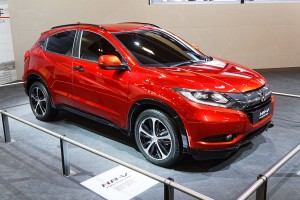
photo by Thesupermat
Hybrid: Toyota Rav4 XLE Hybrid (26 MPG City / 36 HWY)
Gas: Honda HR-V (20 MPG City / 39 MPG HWY)
Subcompact Cars
Electric: BMW i3 (141 MPGe)
Gas: Mitsubishi Mirage ES (28 MPG City / 47 MPG HWY)
Surprisingly, tiny cars are usually more efficient when they are not hybrid. Go with gas-only or electric-only.
Compact Cars
Hybrid: Volkswagen Jetta SE (29 MPG City / 45 HWY)
Gas: Mazda 3 i Touring (23 MPG City / 45 MPG HWY)
Midsized Cars
Hybrid: Ford Fusion SE Hybrid (35 MPG City / 41 HWY)
Gas: Mazda 6 Sport (22 MPG City / 44 HWY)
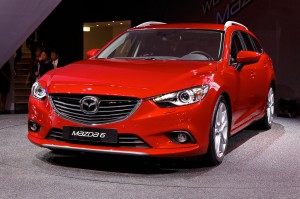
photo by Thesupermat
Midsize/Large SUVs
Hybrid: Lexus RX 450h (24 MPG City / 33 HWY)
Diesel: Jeep Grand Cherokee Limited (17 MPG City / 32 HWY)
Minivans
None of the top finishers in this category are hybrid.
Gas: Ford Transit Connect XLT (15 MPG City / 27 HWY)
Pickups
This category also lacks a hybrid competitor.
Diesel: Ram 1500 Horn (15 MPG City / 27 HWY)
Ready to get quotes on some of these rides? Please, let us help. We deliver quotes from any dealers, directly to your inbox. It’s convenient and there’s no obligation to use it. Our service is completely free. Click here to get started.
Copyright 2024 BuyingAdvice.com, INC. All rights reserved. This material may not be published, rewritten, or redistributed.


